
Choosing a private tutor shouldn't feel like a guessing game, and with a few simple checks, it doesn't have to. Helping families get this right is something our team has done for a long time: Tutorela grew out of an established tutoring marketplace, where we spent more than 15 years connecting students and tutors, across over 500,000 lessons and 15,000+ approved tutors. Tutorela is that platform's international brand, now focused on families in the United States, and this guide sums up what that experience has taught us.
Choosing a tutor in a snapshot
To choose a good private tutor, start with the student's goal, then look for tutors with experience in the right subject and level. Compare their teaching approach, reviews, rates and availability, talk to two or three of them before booking, and use the first few lessons to see whether the student is comfortable and there is a clear plan.
- Know what you need: the goal, how long you need help for, and online or in person.
- Read profiles, not just names: the right subject, level and topic, and how the tutor teaches.
- Talk to a few tutors first: on Tutorela, reaching out is free and commits you to nothing.
- Judge after two or three lessons: and switch if it is not working.
Short on time? Jump to the checklist and tick it off as you go.
Before you search
1. Know what you need help with
"Help with science" is too broad to find the right person. Try to name the goal in one sentence: passing a class that is slipping, preparing for the SAT or an AP exam, rebuilding confidence after a rough semester, or moving ahead faster than school allows. A high schooler who needs to get through AP Chemistry, for example, is better served by a private chemistry tutor who knows that course than by a general science tutor.
2. Think about how long you need support
A few weeks of focused prep before a final is a different job from a full school year of weekly lessons. For short-term help, look for a tutor who has open slots in the coming weeks and knows that specific exam. For longer support, steady availability matters more, and so does personal fit: the student will spend months with this person. Knowing the time frame also makes the budget concrete. One lesson a week means about four a month, so a tutor who charges $45 an hour comes to roughly $180 a month, and a ten-week prep plan at the same pace would be about $450.
3. Decide on format and budget
Online lessons give you a much wider choice of tutors and save travel time. In-person lessons can suit younger children or students who focus better with someone in the room. Some subjects lend themselves to online especially well: a student who wants to practice conversation with a Spanish tutor can meet anywhere, no commute needed. Set a rate range too, so you compare tutors you would actually book. On Tutorela, you pay the tutor's rate and nothing on top: no service fee and no charge to contact tutors.
While browsing tutors
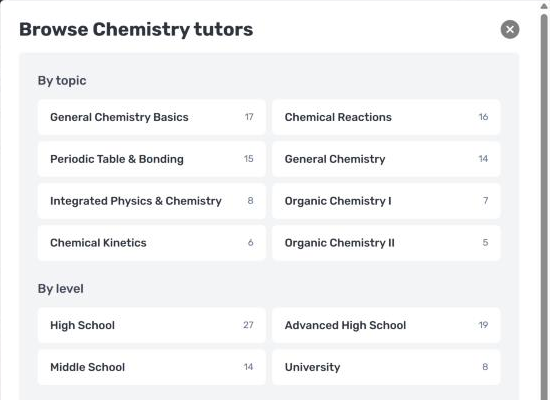
4. Match the subject, level and topic
Start narrow. Choose the subject, then the level, then the specific topic if there is one. A college student stuck on a Python assignment, for instance, wants a computer science tutor who lists programming, not someone whose strength is theory.
5. Read the whole profile
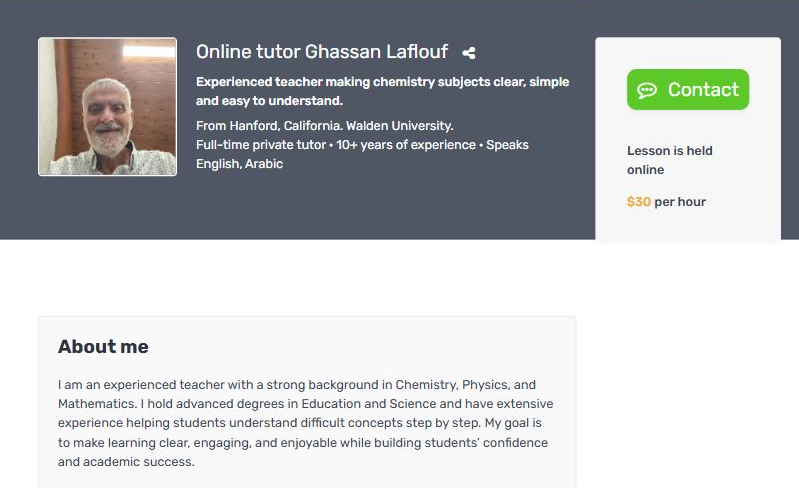
Degrees and schools matter, but the description often matters more. Look for how the tutor explains their approach: do they talk about building understanding step by step, working with students at your level, or the kinds of challenges they enjoy? Check the practical details too: years of experience, languages, rate, and whether lessons are online or in person. A detailed profile gives you a good sense of how a tutor works, but a short conversation is still the best way to see whether their approach fits.
6. Look at reviews, in context
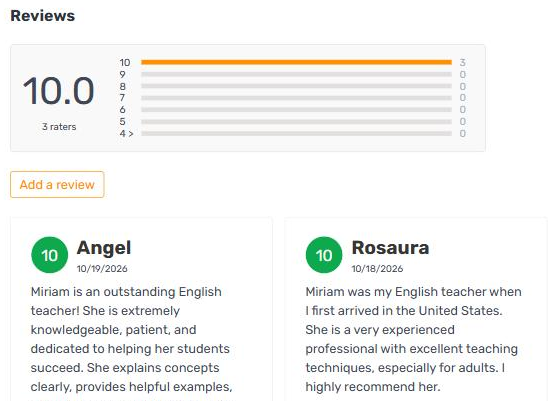
Reviews show what it is actually like to learn with someone. Read a few rather than only looking at the score, and notice whether students mention things that matter to you, like patience or clear explanations. On Tutorela, a tutor gets a rating only after receiving reviews. A profile with no score may belong to a tutor who is new to the platform, or one who simply hasn't been reviewed yet, even after years of teaching elsewhere. Either way, look at their experience and approach, and talk to them before deciding.
Before you book
7. Talk to two or three tutors before you decide
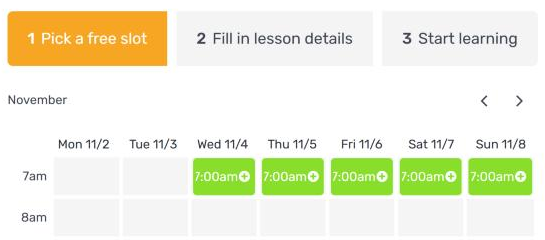
A short phone call tells you more than any profile. On Tutorela, you reach out to a tutor through the site by picking an optional time slot on their calendar. You then receive the tutor's phone number and they receive yours, so you can talk it over. After the call, you decide: go ahead with the lesson, or cancel it.
Reaching out costs nothing and commits you to nothing, so it makes sense to compare. Contact two or three tutors, talk to each of them, and pick the one whose approach fits best. You only pay for the lesson itself.
8. Questions to ask a tutor before booking
You do not need an interview, just enough to know you are on the same page:
- Have you taught students at this level, or this specific course?
- How would you approach the first couple of lessons?
- How will we know it is working?
- Does your schedule work for the period we need, whether that is a few weeks or the whole year?
- What is your rate, and what is your cancellation policy?
For younger children, get to know the tutor yourself before leaving them alone together: talk on the phone first, stay nearby for the first lessons, and keep in-person lessons in a shared space at home.
After the first lessons
9. Give it two or three lessons, then check
Before the first lesson, agree with the tutor on one small, concrete goal: writing a lab report without help, getting through a Spanish conversation without switching to English, or feeling ready for the next quiz. Real progress takes longer than a few lessons, but after two or three you should have a clear sense of fit. Ask yourself (or your child): Does the student feel comfortable asking questions? Does the tutor know where things get stuck? Is there a plan to reach that goal, beyond "let's do the homework"? If the answers are mostly yes, you have found a good fit. If not, it is completely fine to try someone else. Our guide to the signs your tutor isn't the right fit walks through what to look for and what to do next.
What we've learned from helping students find tutors
- Fit matters more than a long list. In our years of running a tutoring marketplace, what made a match work was trust, clear communication and personal fit, not how many tutors a family could scroll through.
- Context counts, even online. A tutor who knows the student's course, school expectations or exam makes every lesson more relevant. Preparing for the AP Biology exam, for example, is easier with a biology tutor who knows what that exam asks for.
- The same mistake can have different causes. One student gets stuck because a concept is unclear, another because their confidence is low. A good tutor notices which one it is, and knows when encouragement will help more than another worksheet.
- Finished homework is not the same as learning. Completed exercises show effort. What counts is whether the student can now do it on their own.
Tutorela's founders talk more about this in an interview with World Education Magazine.
Your tutor checklist
Tick each item as you go. Nothing is saved, so it resets when you reload the page.
Before you search
While browsing
Before you book
After the first lessons
Ready to start your short list? Browse tutors by subject and level, and reach out to a few for free.
Frequently asked questions
How do I choose a private tutor on Tutorela?
Start by naming the goal, how long you need help for, and whether you want online or in-person lessons. Then narrow the search by subject, level and topic, read the profiles and reviews of a few tutors, and reach out to two or three of them by picking an optional time slot. You will exchange phone numbers, talk, and then decide whether to go ahead with the lesson or cancel it. Reaching out is free, and you only pay for the lessons you take.
How much should I budget for a private tutor?
Start from how long you need help for. One lesson a week means about four a month, so a tutor who charges $45 an hour comes to roughly $180 a month. Price matters, but it shouldn't be the only factor: a higher rate doesn't guarantee better teaching. We explain more in our guide on why picking a tutor on price alone is a mistake.
Is online or in-person tutoring better?
It depends on the student. Online lessons give you a much wider choice of tutors and no commute, and they suit many high school and college students. Younger children, or students who focus better with someone in the room, may do better in person. Read our guide on who online tutoring is right for to decide.
What should I look for in a tutor's profile?
First, check that the tutor teaches the right subject, level and topic. Then read how they describe their approach, along with their experience, education, languages, rate and lesson format. A detailed profile gives you a good sense of how a tutor works, but a short conversation is still the best way to see whether their approach fits.
Is a tutor with no reviews a bad choice?
Not necessarily. On Tutorela, ratings appear only after a tutor receives reviews, so a profile without a score may belong to a tutor who is new to the platform or simply hasn't been reviewed yet. Look at their experience and teaching approach, and talk to them before deciding.
Can I talk to several tutors before booking, and does it cost anything?
Yes, and it's free. You pick an optional time slot with each tutor, exchange phone numbers, talk, and then go ahead with the lesson or cancel it. You pay only the tutor's rate for lessons you actually take, with no service fee on top. See what makes Tutorela different for how this works.
What questions should I ask a tutor before booking?
Ask whether they have taught students at this level or this specific course, how they would approach the first lessons, how you will know it is working, whether their schedule fits the period you need, and what their rate and cancellation policy are.
How many lessons does it take to know if a tutor is the right fit?
Two or three lessons usually give you a clear sense of fit, even if measurable progress takes longer. Agree on one small, concrete goal at the start, then check whether the student feels comfortable, the tutor understands where they struggle, and there is a plan to reach that goal.
What should I do if the tutor isn't the right fit?
Talk to the tutor first: sometimes a change in pace or approach is all it takes. If it still isn't working, it is completely fine to try someone else. Switching tutors is part of finding the right one, not a failure. Our article on the 10 signs your tutor isn't the right fit helps you tell when it's time to switch.